
A NOTE FROM THE CURATOR
“In Latin America, concrete blocks and cement have historically been the socially accepted
— and almost unquestioned — combination for building the spaces we inhabit.
From my perspective, proposing homes built with natural materials such as responsibly sourced wood
is a major success and a meaningful evolutionary step.
One designed for people who are no longer satisfied with the status quo
and who already recognize the value this type of construction brings:
lower environmental impact, greater well-being for its inhabitants,
and a construction logic that is more coherent with the surrounding environment.
But there is something else that I believe is important to highlight:
these proposals are not only based on technical or environmental criteria
— they also reflect a lifestyle.
One that embraces proximity to nature and finds in simplicity,
through minimalist spaces, a more conscious way of living.
For those seeking exactly that, this proposal responds with coherence.”
- LuCas Chollet
General Information
- Location: Available throughout Mexico
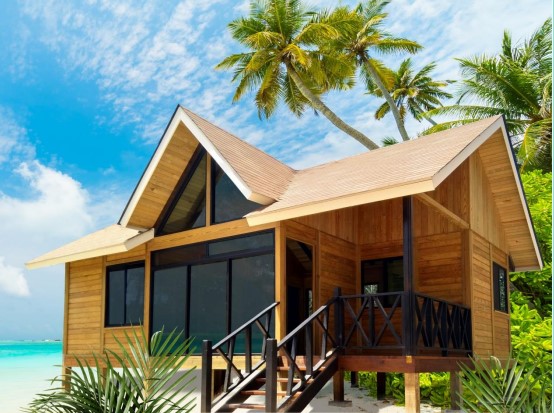
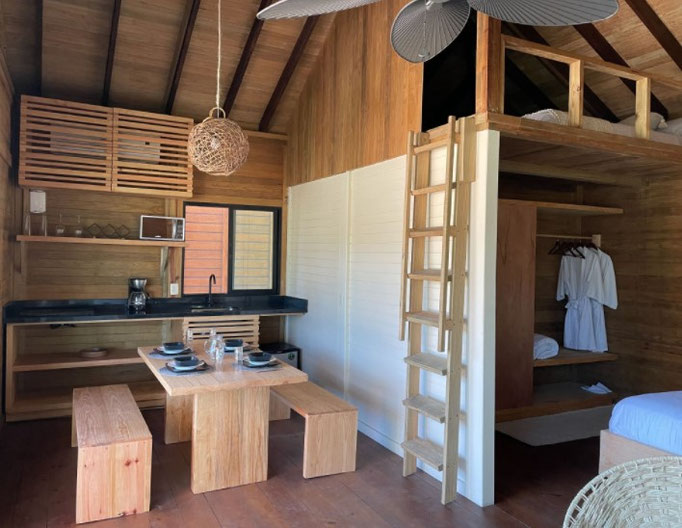
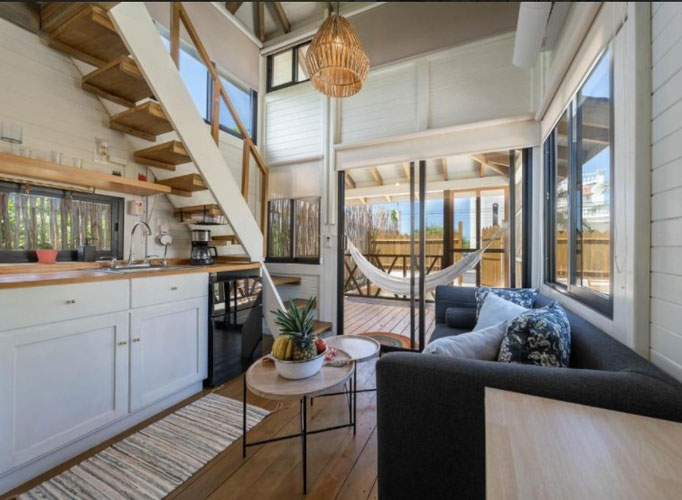
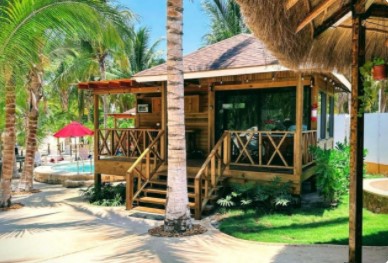
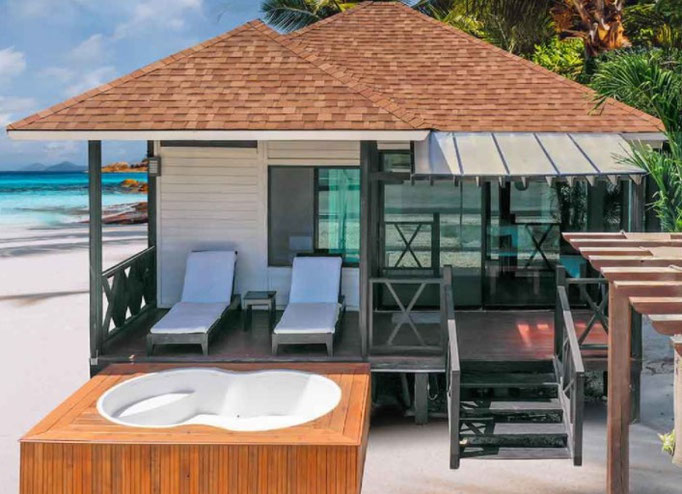
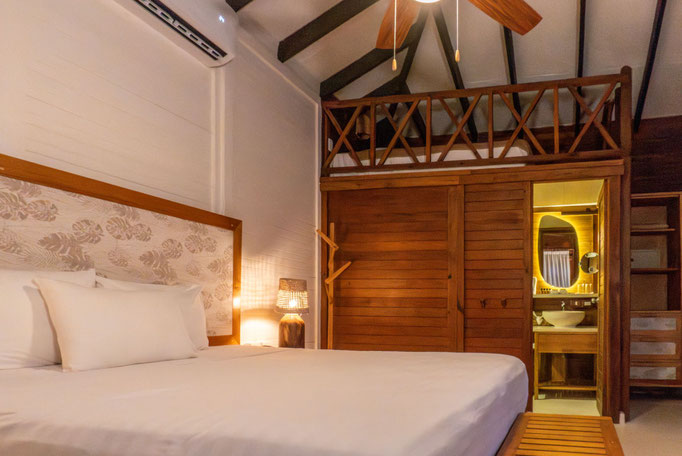
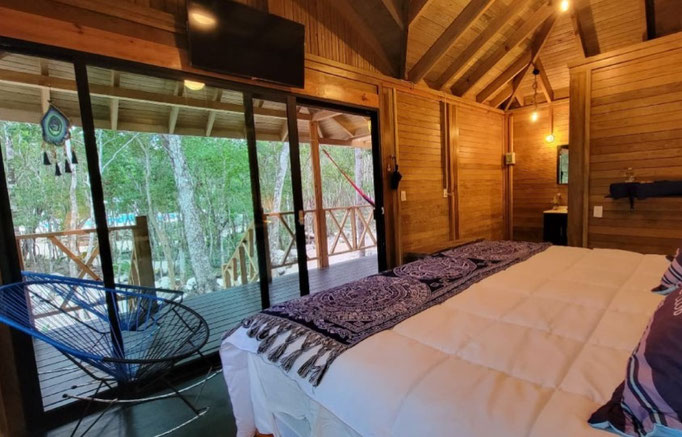
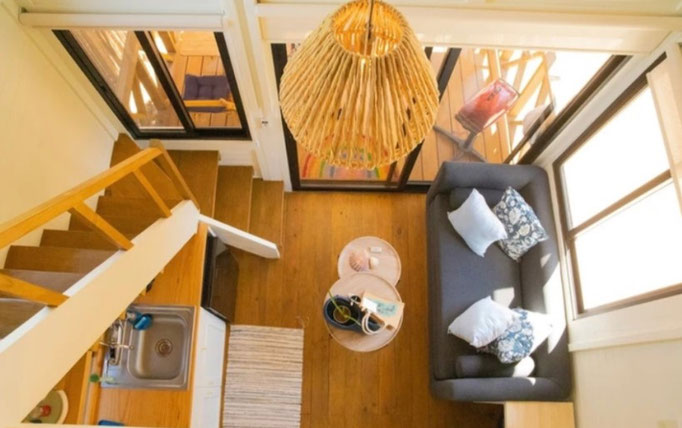
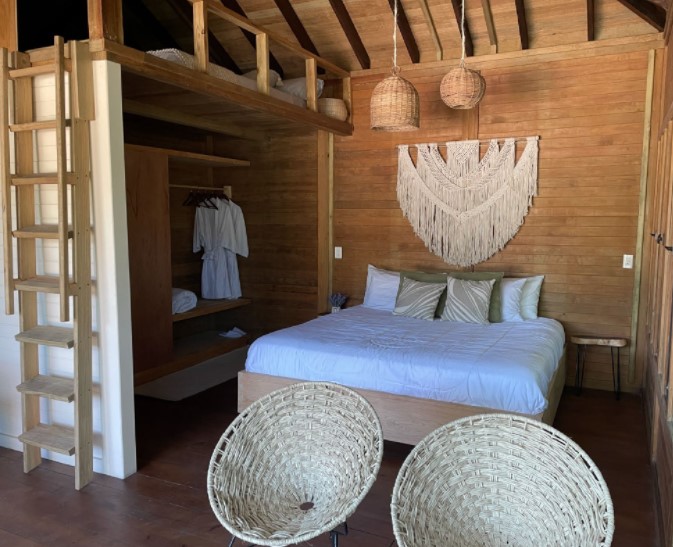
- Typologies: Cabins, 1, 2, and 3-Bedroom Homes, Hospitality Projects, and Custom Designs
- Surface Area Range: 23.38 – 148.64 m², or Custom Size
- Development Stage: Built to Order
- Payment Options: Cash payment, progress payments during construction.
Sustainability Criteria
-
1. Sustainably Sourced Timber: Wood is sourced from responsibly managed forests, ensuring that forests are continuously regenerated rather than depleted.
2. Carbon Storage: Wood naturally stores the CO₂ absorbed by trees during their growth. This carbon remains locked within the structure throughout its lifespan, turning each cabin into an active carbon reservoir.
3. Significantly Lower Embodied Energy: Producing timber requires approximately 5 times less energy than concrete, 24 times less than steel, and 126 times less than aluminum. Over a 50-year period, a timber home can generate up to 30% fewer emissions than a conventional building.
4. Low-Impact Foundations: Structures are elevated on pilings, avoiding deep excavation and permanent soil compaction. The natural terrain remains largely undisturbed beneath the cabin.
5. Preserved Water Permeability and Natural Hydrological Cycles: By minimizing direct ground intervention, rainwater can continue its natural infiltration process, supporting aquifer recharge and preventing artificial runoff that can disrupt local ecosystems.
6. Uninterrupted Wildlife Movement: The elevated design allows insects, reptiles, and small mammals to move freely beneath the structure, preserving natural migration routes and habitats.
7. Renewable, Recyclable, and Biodegradable Material: Unlike concrete and steel, wood is a renewable resource that does not generate toxic construction waste. At the end of its lifecycle, its components can be reused or naturally reintegrated into the environment.
8. Operational Energy Efficiency: Wood is a natural thermal insulator that helps regulate temperature and humidity, potentially reducing heating and cooling energy consumption by up to 60% compared to conventional construction.
9. Minimal Environmental Disturbance During Construction: Prefabricated and lightweight structures require less heavy machinery and minimal earthworks, significantly reducing impacts on vegetation, soil, and surrounding wildlife.
10. Suitable for Fragile or Remote Ecosystems: Their lightweight and modular nature allows installation in coastal, jungle, sloped, or difficult-to-access locations without destroying the very ecosystems that give these places their unique value.
Gallery



Before we talk, tell me a little about yourself...
Questions to better understand how to guide you.